Wildfire season now brings smoky skies to Metro Vancouver and much of British Columbia almost every summer. Smoke can travel hundreds of kilometres and seep into homes, even with windows closed. Knowing how to protect your indoor air quality during smoke events makes a real difference to your family's comfort and health.
What Is in Wildfire Smoke?
Wildfire smoke is a mix of gases and fine particles. The biggest health concern is PM2.5, particles 2.5 micrometres or smaller that can travel deep into the lungs and even enter the bloodstream. Smoke also contains carbon monoxide and various VOCs.
Who Is Most at Risk?
- Children and older adults
- People who are pregnant
- People with asthma, COPD, heart disease or diabetes
- Outdoor workers and people who exercise outdoors
How to Keep Smoke Out of Your Home
- Close windows and doors when outdoor air quality is poor, as long as it is safe to do so in hot weather.
- Use a HEPA air purifier sized for the room, ideally in bedrooms.
- Upgrade HVAC filters to MERV 13 or higher if your system supports it, and run the fan.
- Adjust ventilation: Set HRVs or ERVs to recirculate, or reduce outdoor air intake during heavy smoke, then increase it once air clears.
- Avoid indoor pollution: Skip candles, frying and vacuuming without a HEPA filter during smoke events.
Create a Clean-Air Room
Choose one room, often a bedroom, keep its windows and doors closed, and run a HEPA purifier continuously. This gives everyone a place to rest and sleep in cleaner air.
Staying Cool Without Letting Smoke In
Heat and smoke often arrive together. Use fans, close blinds during the day and take advantage of cooler, cleaner air when conditions improve. If your home becomes dangerously hot, prioritize cooling and visit a community cooling centre if needed.
When to Test Your Indoor Air
- Smoke odour lingers indoors long after outdoor air has cleared
- Family members continue to have symptoms inside the home
- You want to check whether purifiers and filters are working
- A workplace needs to verify air quality for employees
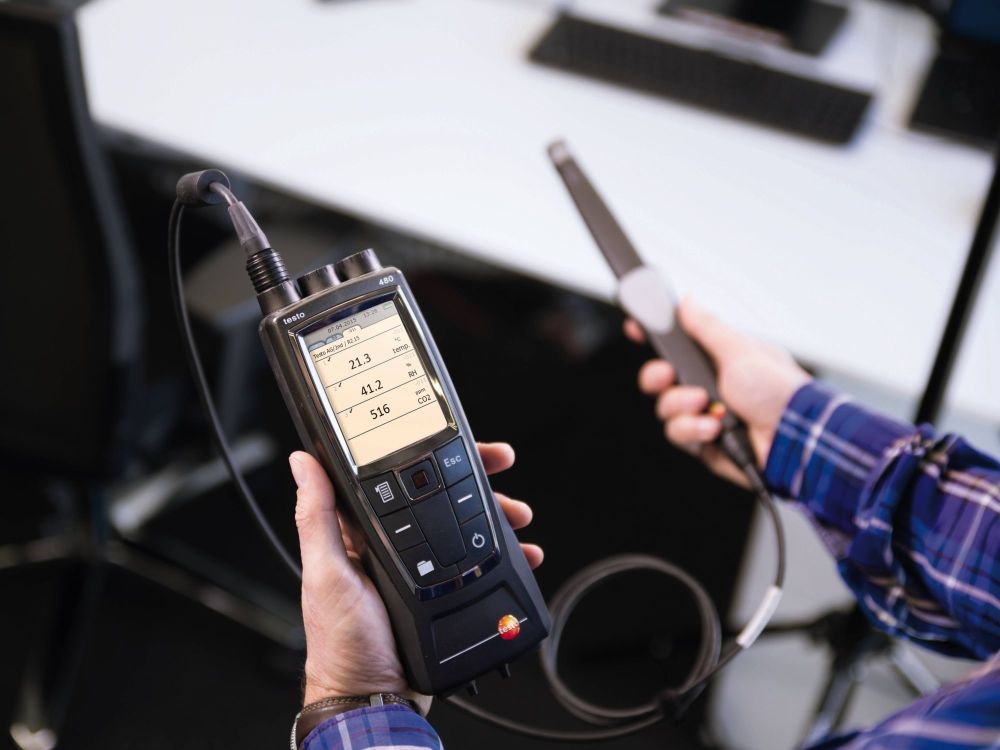
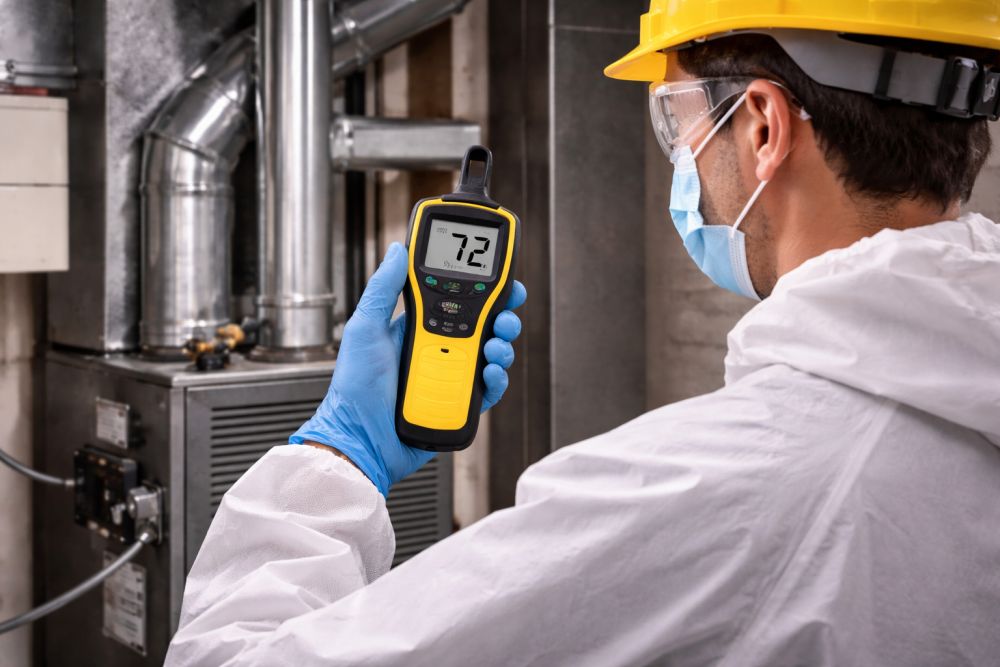
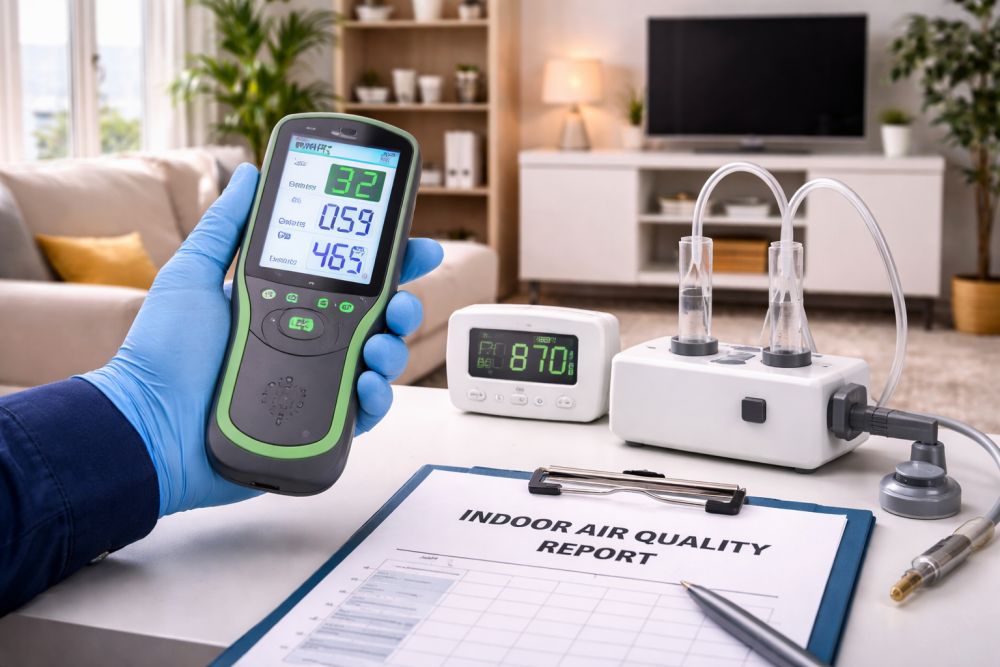
Professional testing measures particulate levels and other pollutants indoors and compares them with outdoor readings. Visit our air quality testing service page or read our indoor air quality testing guide.
After the Smoke Clears
- Open windows to flush out stale indoor air
- Replace or clean HVAC and purifier filters
- Wipe dusty surfaces with damp cloths
Frequently Asked Questions
Do masks help indoors?
Well-fitted N95 or similar respirators reduce exposure outdoors. Indoors, purifiers and filtration are more practical.
Can I build a DIY air purifier?
A box fan with a MERV 13 filter attached can help in an emergency, but should never be left unattended.
Where can I check outdoor air quality?
Check the Air Quality Health Index (AQHI) and local air quality advisories from Environment Canada and BC authorities.
Is your home really protected?
ACE Environmental provides indoor air quality testing to confirm your air is clean during and after smoke season.
Book air quality testing or call +1 778-318-9904.