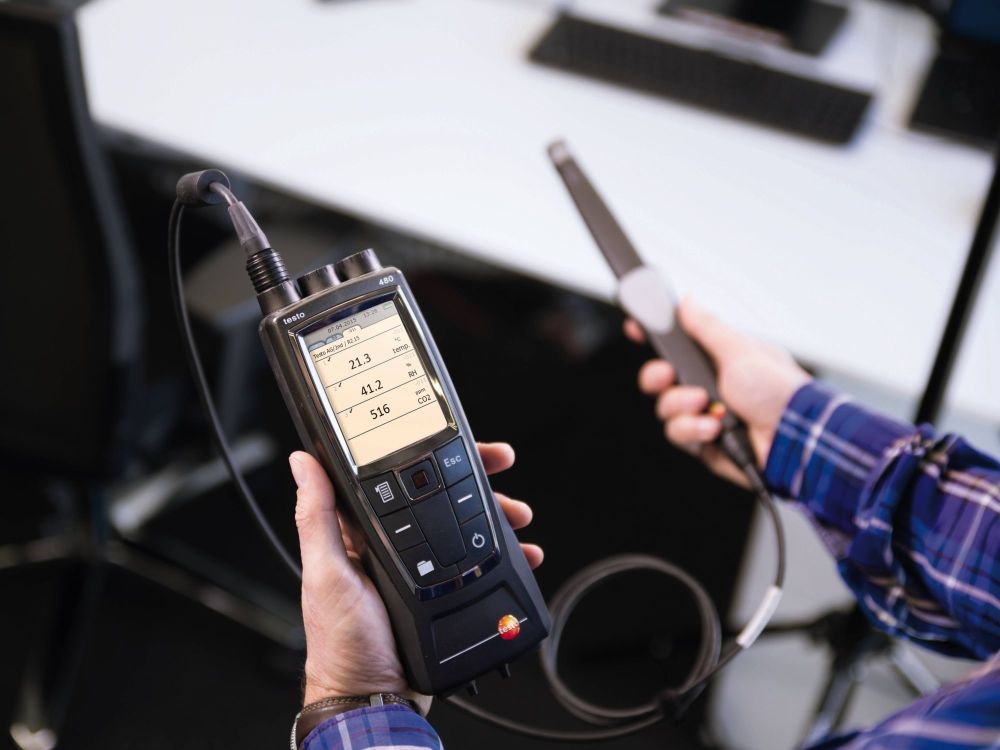
Most people spend around 90 percent of their time indoors, at home, at work or at school. Yet indoor air can contain higher levels of some pollutants than outdoor air. Indoor air quality testing takes the guesswork out of headaches, odours and allergy symptoms by measuring what is actually in the air.
What Indoor Air Quality Testing Measures
Mold spores
Air samples compare indoor spore levels with outdoor levels to reveal hidden mold growth. Learn more about mold testing.
Volatile organic compounds (VOCs)
VOCs are released by paints, cleaners, furniture and building materials. See our VOC testing guide.
Carbon dioxide (CO2)
CO2 is a useful indicator of ventilation. High readings suggest stale air and poor air exchange.
Carbon monoxide (CO)
A colourless, odourless gas from fuel-burning appliances that can be life-threatening at high levels.
Formaldehyde
Common in pressed-wood products, new cabinetry and some flooring.
Particulate matter (PM2.5 and PM10)
Fine particles from cooking, wildfire smoke, construction dust and traffic that can reach deep into the lungs.
Temperature and humidity
These affect comfort and mold risk. Indoor humidity of roughly 30 to 50 percent is a good target.
Signs Your Indoor Air Needs Testing
- Headaches, fatigue, dizziness or irritation that improve when you leave
- Persistent musty, chemical or stale odours
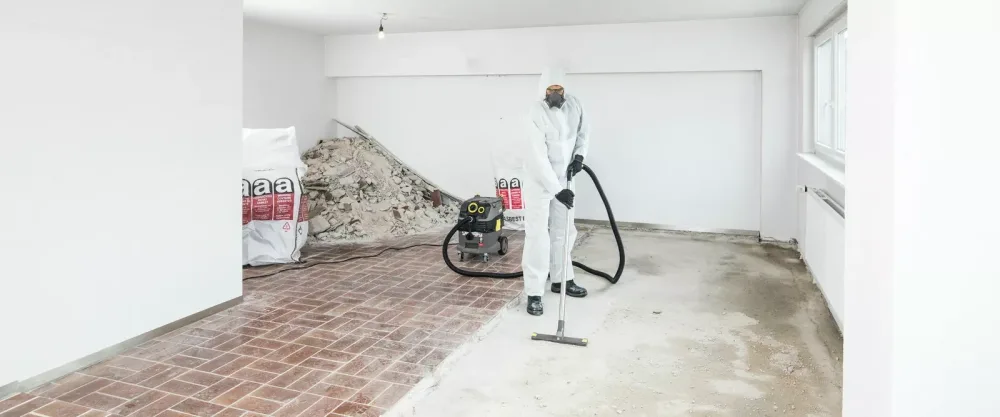
- Recent renovation, new furniture or new flooring
- Past leaks, flooding or visible mold
- Complaints from employees or tenants about stuffiness
- Wildfire smoke events or nearby construction
Home vs Workplace Testing
At home, testing usually focuses on health concerns, mold and renovation pollutants. In offices, schools and commercial buildings, testing often looks at ventilation performance, CO2 levels, comfort and specific complaints. Both benefit from clear, plain-language reports with practical recommendations.
How the Testing Process Works
- Consultation: We discuss symptoms, concerns and building history.
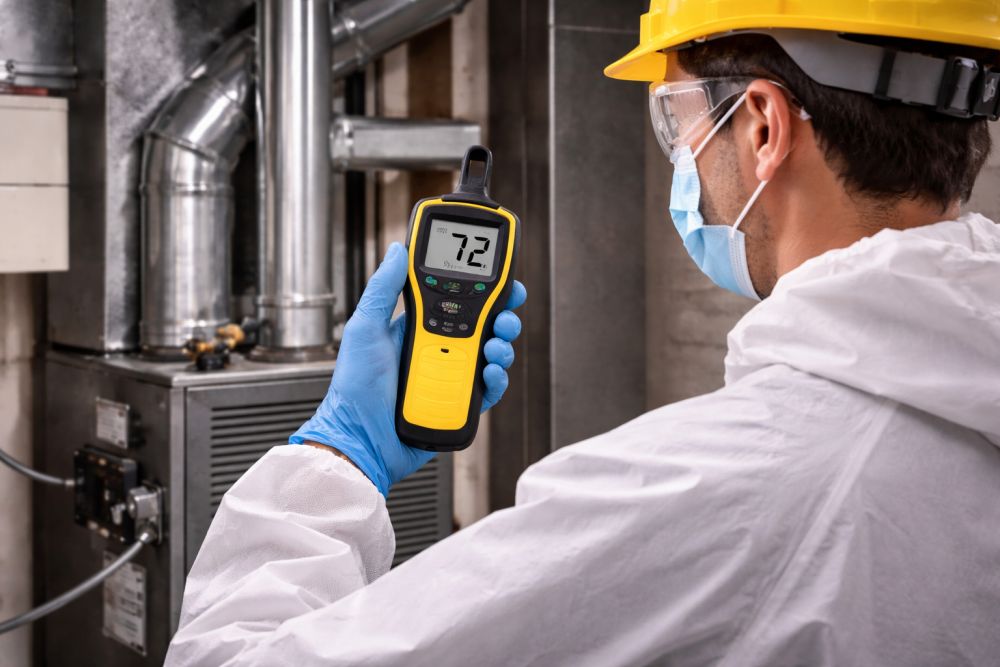
- On-site assessment: Inspection of ventilation, moisture and potential sources.
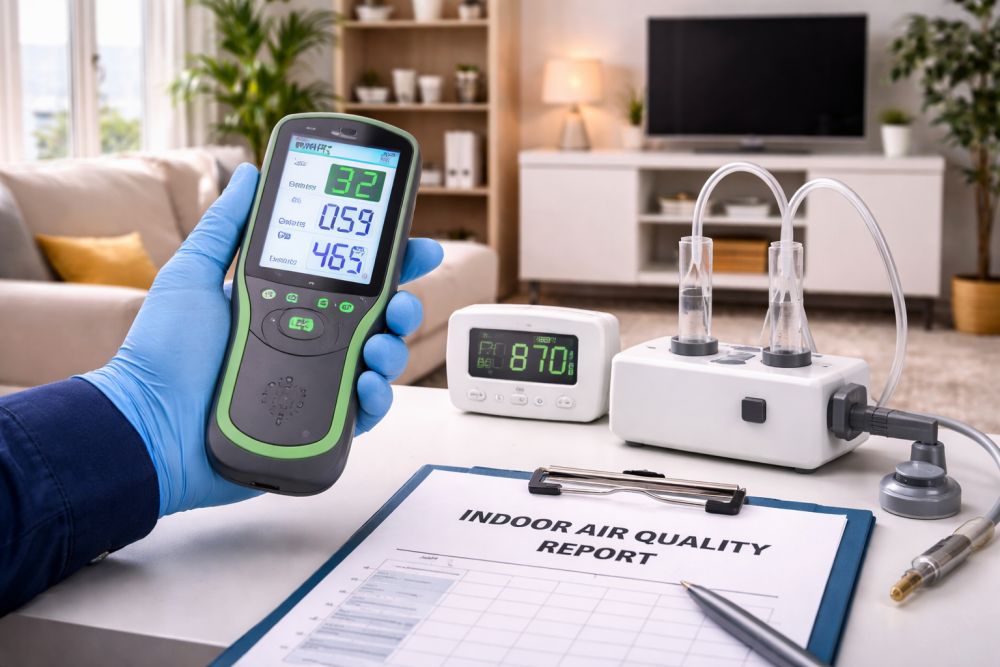
- Sampling: Direct-reading instruments and lab samples, depending on the concern.
- Report: Results compared with Health Canada guidance, plus clear next steps.
Visit our indoor air quality testing service or general air quality testing page.
Simple Ways to Improve Indoor Air
- Use kitchen and bathroom exhaust fans consistently
- Change furnace and HVAC filters regularly
- Choose low-VOC paints and products
- Use a HEPA air purifier in bedrooms and during smoke events
- Fix leaks promptly to prevent mold
Frequently Asked Questions
Are consumer air quality monitors accurate?
They are useful for trends, especially for CO2 and particulates, but they cannot identify mold types or measure many specific chemicals accurately.
How long does an IAQ assessment take?
Most residential assessments take a few hours on site, with lab results following within days.
Is indoor air quality testing worth it?
If you have unexplained symptoms or odours, testing pinpoints the cause so you spend money on the right fix.
Breathe easier at home and work
ACE Environmental provides certified indoor air quality testing across Vancouver, Burnaby, Surrey and the Fraser Valley.
Book an air quality test or call +1 778-318-9904.