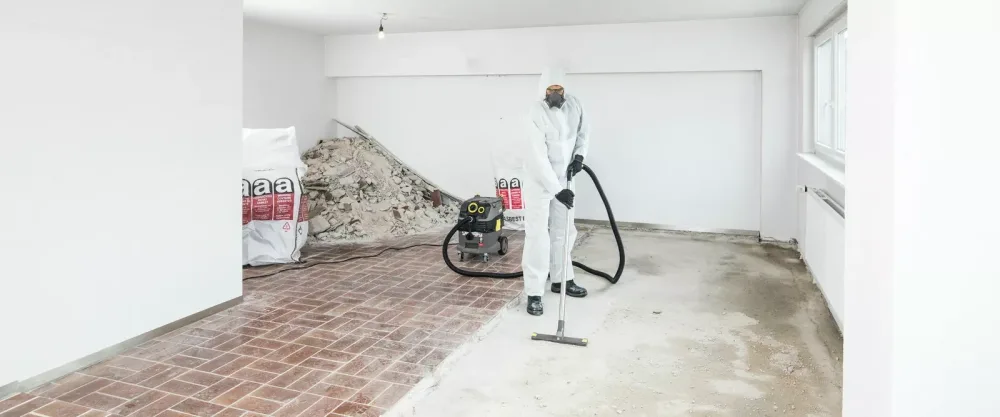
A freshly painted room or a brand-new condo can come with a strong chemical smell. Much of that odour comes from volatile organic compounds (VOCs), a large family of chemicals that evaporate at room temperature. Some are harmless at typical levels, while others can cause irritation or long-term health concerns. VOC testing shows you what is in your air and whether action is needed.
Common Sources of VOCs Indoors
- Paints, primers, stains and varnishes
- Adhesives, caulking and sealants
- New carpet, vinyl flooring and underlays
- Furniture, mattresses and cabinetry
- Cleaning products, air fresheners and scented candles
- Stored fuels, solvents and hobby supplies
Health Effects of VOC Exposure
Short-term effects can include headaches, dizziness, nausea and irritation of the eyes, nose and throat. Some individual VOCs, such as benzene and formaldehyde, carry longer-term health concerns. Health Canada has published indoor air guidelines for several specific VOCs, which is why identifying individual compounds matters.
Why Renovations Raise VOC Levels
Renovations introduce many new products at once, often in tightly sealed spaces. Levels usually peak in the days and weeks after work finishes and then decline. Warm temperatures and poor ventilation slow that decline.
When to Consider VOC Testing
- A chemical odour persists weeks after renovation
- Occupants report headaches, irritation or breathing issues
- You are preparing a nursery or have someone with asthma at home
- You suspect a spill or stored chemicals are affecting air quality
- A workplace has odour complaints after a fit-out
How VOC Testing Works
Screening
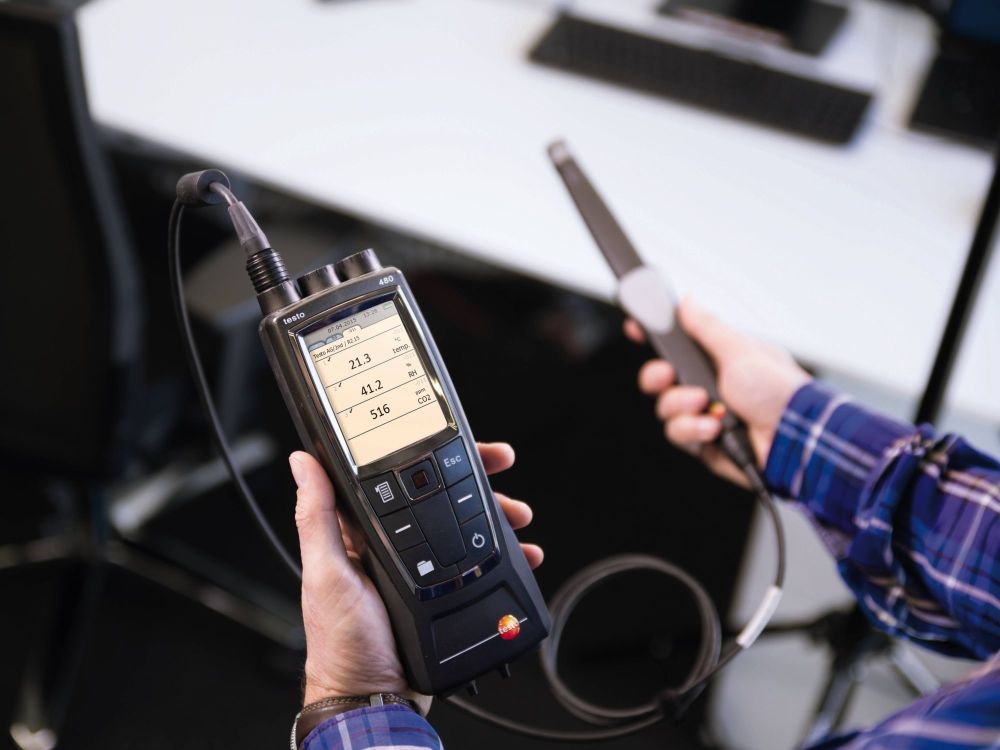
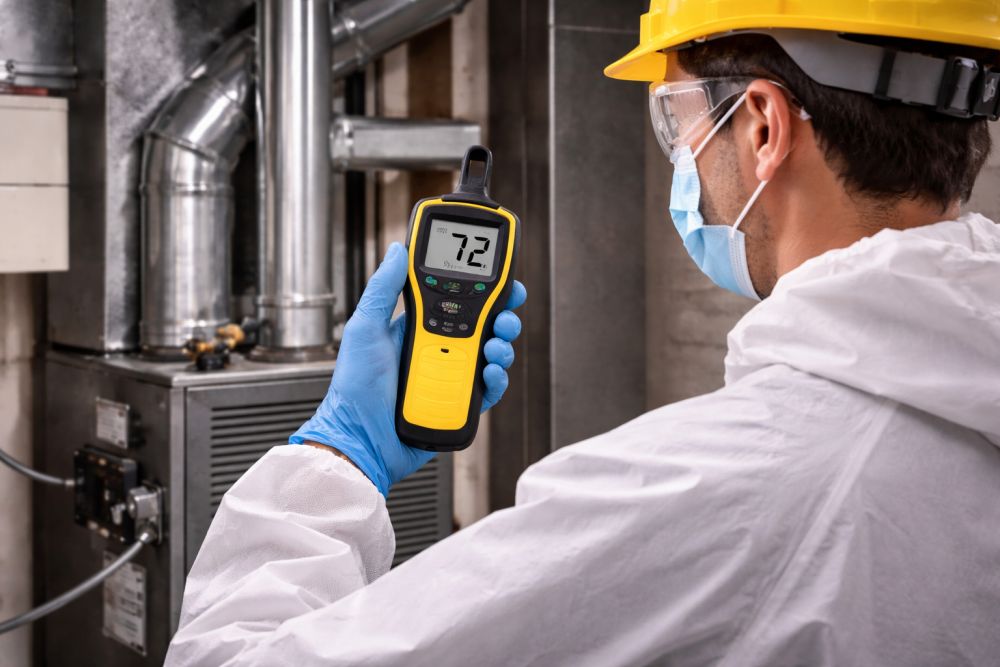
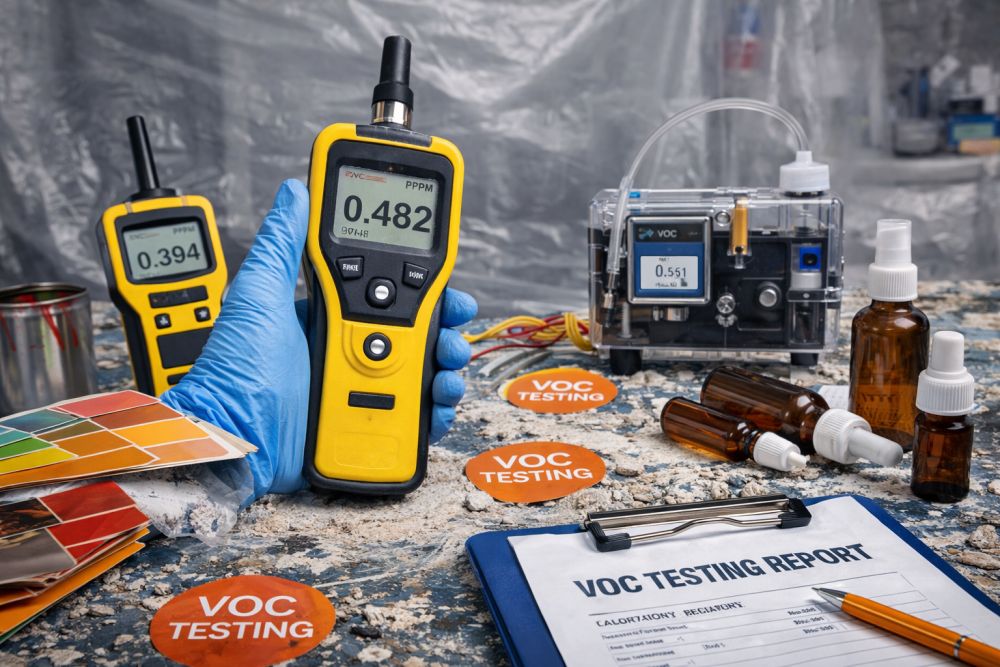
Direct-reading instruments give an initial picture of total VOC levels and help locate sources.
Laboratory sampling
Air is collected using sorbent tubes or canisters and analyzed by an accredited lab to identify individual compounds.
Interpretation
Results are compared with available guidelines and typical indoor levels, with practical recommendations to reduce exposure.
Learn more on our VOC testing service page.
How to Reduce VOCs After a Renovation
- Ventilate well during and for several weeks after work
- Choose low-VOC or zero-VOC paints and adhesives for future projects
- Store paints and solvents outside living spaces, ideally in a detached shed
- Limit fragrances, sprays and scented products
- Keep temperature and humidity moderate to slow off-gassing
Related Tests
Formaldehyde is often tested alongside VOCs. Read our formaldehyde testing guide, or consider a full indoor air quality assessment.
Frequently Asked Questions
How long do VOCs last after painting?
Most odour fades in days to weeks, but some products continue to release VOCs at lower levels for months.
Is there a safe total VOC level?
There is no single Canadian limit for total VOCs, so identifying specific compounds gives the most meaningful answer.
Do air purifiers remove VOCs?
Only units with activated carbon or specialized media help, and ventilation remains the most effective solution.
Clear the air after your renovation
ACE Environmental provides lab-backed VOC testing for homes and workplaces across Greater Vancouver.
Book VOC testing or call +1 778-318-9904.