Formaldehyde is one of the most common indoor air pollutants. It is used in the resins that hold together many pressed-wood products, and it is released into the air over time, a process known as off-gassing. Levels are usually highest in new homes, freshly renovated spaces and rooms with lots of new furniture. Formaldehyde testing tells you whether your levels are within healthy guidelines.
Common Sources of Formaldehyde
- Particleboard, MDF and plywood in cabinets, shelving and furniture
- Laminate and engineered flooring
- Glues, adhesives and some insulation products
- Permanent-press fabrics, curtains and upholstery
- Combustion sources such as gas stoves, fireplaces and tobacco smoke
Federal regulations now limit formaldehyde emissions from new composite wood products sold in Canada, but older products, imported items and large quantities of new materials can still raise indoor levels.
Symptoms of Formaldehyde Exposure
- Burning or watery eyes
- Irritation of the nose and throat
- Coughing, wheezing or worsened asthma
- Headaches and skin irritation in sensitive people
Long-term exposure to elevated formaldehyde is also a health concern, which is why Health Canada has set residential guidelines.
Health Canada Guideline Levels
- Short-term (1 hour): 123 micrograms per cubic metre (about 100 ppb)
- Long-term (8 hours): 50 micrograms per cubic metre (about 40 ppb)
When to Consider Formaldehyde Testing
- You recently moved into a new home or condo
- You installed new cabinets, flooring or built-ins
- You notice a strong chemical smell or eye irritation indoors
- A baby, older adult or someone with asthma lives in the home
How Formaldehyde Testing Works
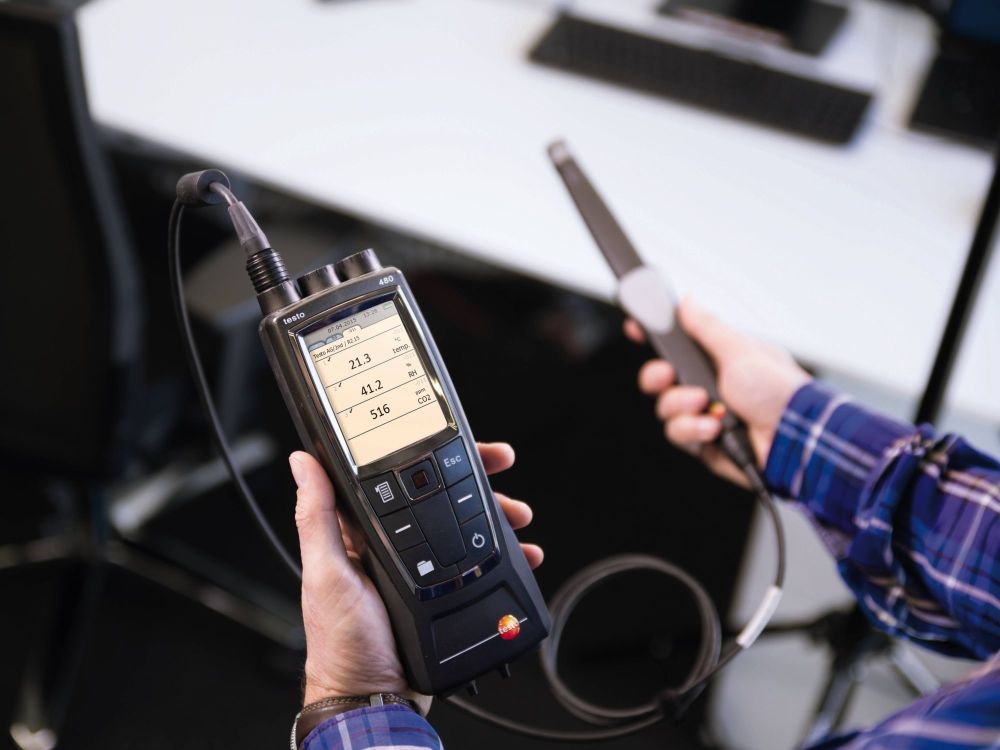
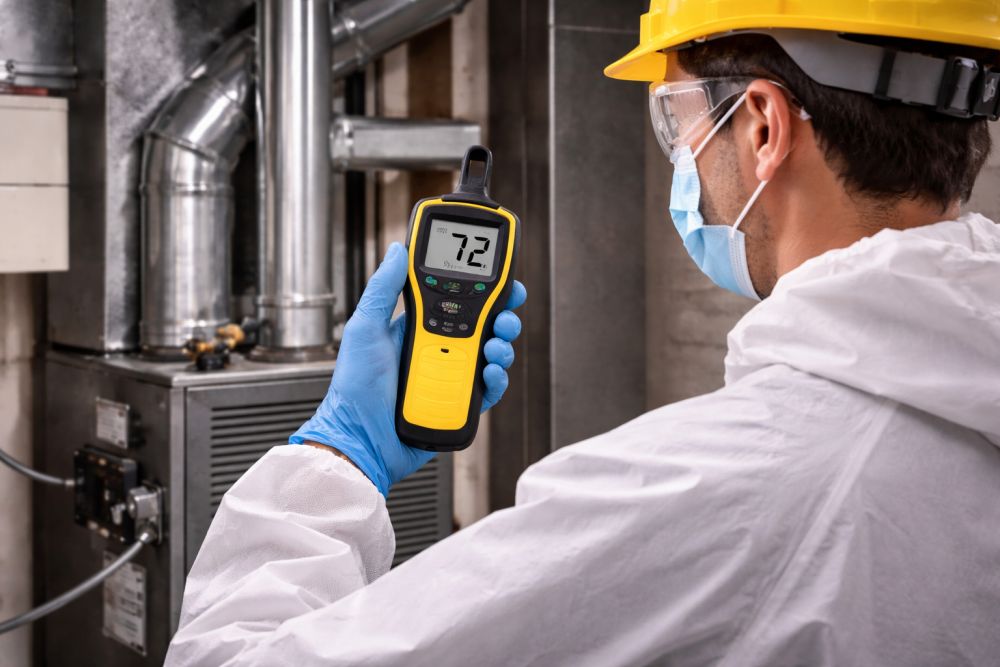
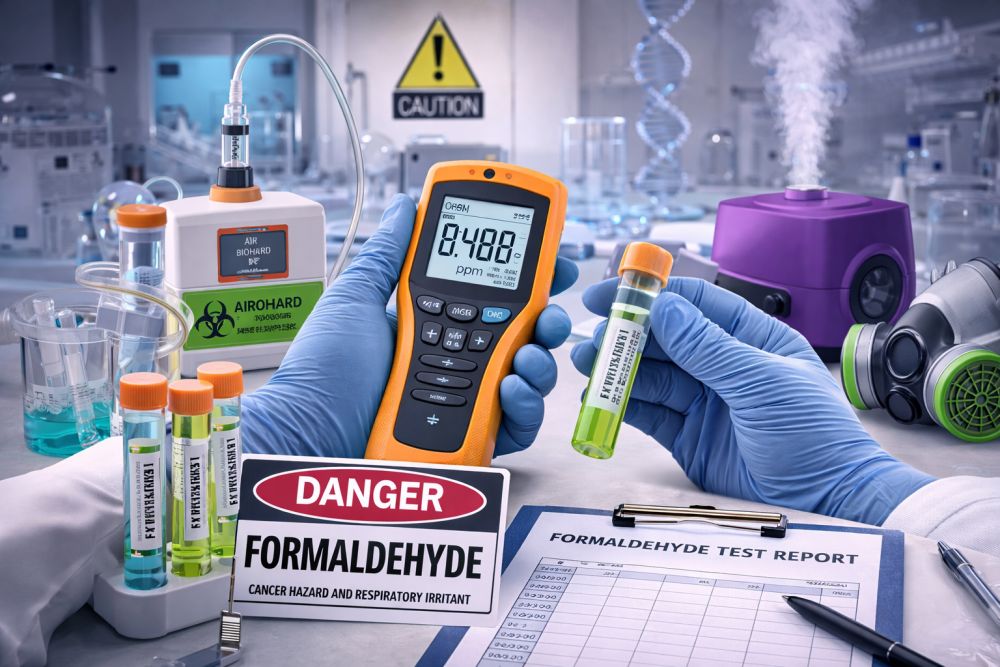
Air samples are collected over a set period using specialized sampling media, then analyzed by an accredited laboratory. Testing conditions such as temperature, humidity and ventilation are recorded, because heat and humidity increase off-gassing. You receive a report comparing your results with Health Canada guidelines and recommendations if levels are high. Visit our formaldehyde testing service page to learn more.
How to Reduce Formaldehyde Levels
- Increase ventilation, especially in the first months after renovating
- Keep indoor temperature and humidity moderate
- Choose products labelled as low-emitting or compliant with emission standards
- Let new furniture off-gas in a well-ventilated space before bringing it into bedrooms
- Seal exposed edges of particleboard
Formaldehyde and Other VOCs
Formaldehyde is one of many volatile organic compounds that can affect indoor air. If you have recently renovated, consider broader VOC testing or a full indoor air quality assessment.
Frequently Asked Questions
Does formaldehyde go away on its own?
Emissions usually decline over months, but some materials continue releasing formaldehyde for years, especially in warm, humid conditions.
Can an air purifier remove formaldehyde?
Standard HEPA filters do not capture gases. Some purifiers with specialized media can help, but ventilation and source control work best.
How long does testing take?
Sampling is done in a single visit, with lab results usually available in several business days.
Concerned about that new-home smell?
ACE Environmental offers lab-analyzed formaldehyde testing across Vancouver and the Lower Mainland.
Book formaldehyde testing or call +1 778-318-9904.